



The Origins of Casino Games
The history of casino games can be traced back to ancient civilizations, where games of chance were played as early as 500 BC. The earliest recorded instances appear in China, where a form of gambling involving tiles emerged. In ancient Rome, dice games became notably popular among soldiers and civilians, providing entertainment and fostering a sense of camaraderie during gatherings. Additionally, many modern establishments offer options such as a $10 neosurf deposit casino , highlighting how gambling has evolved into a diverse and accessible experience. This early form of gaming was not merely a pastime; it represented a social glue that brought individuals together, marking the first steps toward structured gambling environments.
By the 18th century, gambling had solidified its place in European culture, giving rise to sophisticated gaming establishments in countries such as France and England. These venues became hotspots for social interaction, where nobles and commoners alike could indulge in card games, dice, and emerging games like roulette. The ambiance of these gaming houses was electric, filled with high stakes and strategic gameplay, creating an atmosphere that continues to captivate players today. This period marked the birth of organized gambling, laying the groundwork for modern casinos and creating a framework for the casino gaming industry as we know it.
As the concept of casinos made its way to America, particularly during the 19th-century Gold Rush, gaming evolved into new forms. The introduction of poker and blackjack brought fresh excitement, leading to the establishment of iconic venues in cities like New Orleans and later Las Vegas. The melding of various gaming styles and traditions created a rich tapestry of options that catered to diverse audiences, spurring the growth of casino culture. This remarkable evolution was pivotal, as it set the stage for the vibrant gambling landscape that thrives today.
The Growth of Casino Culture
The 20th century heralded a transformative era for casino games, with Las Vegas emerging as the epicenter of gambling culture. The post-World War II boom led to the legalization of gambling in Nevada, transforming this desert city into a bustling hub for entertainment and high-stakes gaming. The construction of opulent casinos, complete with luxurious accommodations and fine dining, created a new standard for the gaming experience. This influx of visitors not only attracted gamblers but also tourists from around the world, solidifying the importance of casinos in American culture and economy.
During this era, casino games underwent significant innovations that changed the trajectory of gambling. The introduction of electronic gaming machines in the 1960s marked a pivotal shift from traditional mechanical slot machines to sophisticated digital platforms. These modern machines captivated players with engaging graphics, sound effects, and the chance for larger payouts. The accessibility of these games allowed a broader audience to experience the thrill of gambling, as they could enjoy gaming without the complexities of card strategies. This period also saw casinos hosting events and tournaments, fostering a sense of community among players.
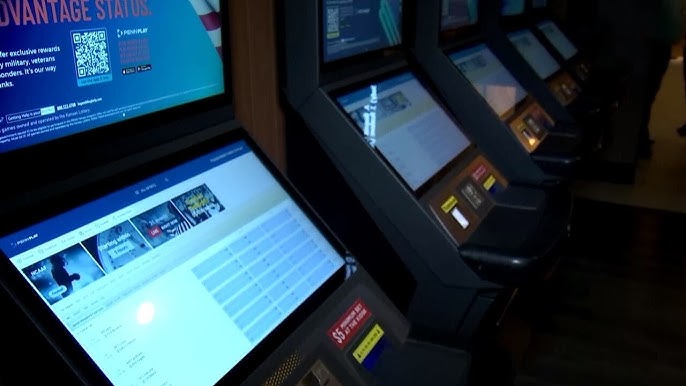
As the popularity of casinos burgeoned, various regions around the world began to embrace gambling. From the glitzy casinos of Macau to the luxurious resorts of Monte Carlo, casino culture transcended borders and became a global phenomenon. This expansion led to an array of gaming options that catered to the unique preferences of different cultures, while still preserving the thrill of chance and strategy that defines casino gaming. Today, the casino landscape is vibrant and diverse, continually shaped by influences from around the globe.
The Digital Revolution and Online Gaming
The late 20th century brought about a seismic shift in the evolution of casino games with the advent of the internet. Online gambling emerged in the 1990s, fundamentally transforming how players interacted with their favorite games. The convenience of playing from home, coupled with access to an extensive variety of games, revolutionized the gambling experience. Initially met with skepticism, online casinos quickly gained popularity by offering players the chance to engage in real-time gaming, mirroring the excitement found in traditional venues.
As technology progressed, online casinos introduced live dealer games, merging the convenience of online play with the authentic atmosphere of physical casinos. Players could now interact with real dealers through video streaming, bridging the gap between virtual and physical gaming experiences. This innovation appealed to a broader demographic, including those who cherished the social interaction typically found in brick-and-mortar establishments. The rise of mobile technology further propelled online gaming, enabling players to enjoy their favorite games anytime, anywhere, significantly expanding the reach and appeal of casino gaming.
However, this shift towards digital gaming also ignited discussions surrounding regulation and safety in the online gambling industry. Authorities worldwide began implementing stricter guidelines to ensure fair play and protect consumers, fostering a more secure environment for all participants. These measures were crucial in legitimizing the industry and building trust among players. As online gaming continues to gain mainstream acceptance, the landscape is set to evolve further, promising innovations that will reshape the way we experience casino games forever.
The Future of Casino Games
The future of casino games appears bright, with several trends poised to redefine the landscape. One significant development is the integration of artificial intelligence and data analytics into gaming platforms. Casinos harness AI to enhance player experiences by offering personalized game recommendations, optimizing gameplay, and improving customer service through chatbots. This technological advancement streamlines operations while also creating a tailored gambling experience that adapts to individual preferences and behaviors, making gaming more engaging and enjoyable for everyone.

In addition, the rise of virtual and augmented reality is set to revolutionize how players interact with casino environments. These technologies promise to create immersive experiences that replicate the thrill of a physical casino, while also offering unique gameplay opportunities. For instance, virtual reality casinos allow players to navigate through virtual spaces, interact with other players, and engage in games as though they were in a real venue. This innovative approach has the potential to attract a new generation of gamers who are seeking a more interactive and visually stunning gaming experience.
Moreover, as society becomes increasingly aware of responsible gambling, casinos are likely to adopt measures that promote safer gaming habits. This shift might include implementing technology that monitors player behavior and offers customized interventions when excessive play is detected. Emphasizing responsible gambling practices will not only enhance player safety but also improve the overall reputation of the gaming industry. The future holds exciting possibilities as the world of casino games continues to evolve, merging tradition with cutting-edge innovation.
Exploring More About Casino Gaming
The world of casino games is a dynamic and ever-evolving realm that has captivated players for centuries. From its humble beginnings in ancient civilizations to the modern digital age, gambling has become an integral part of entertainment and cultural identity. The evolution of casino games is a reflection of broader societal changes and technological advancements, offering a fascinating subject for both enthusiasts and casual players alike.
For those interested in delving deeper into casino gaming, numerous resources are available that explore the intricacies of game mechanics, strategies, and industry trends. Whether you seek to understand the history of poker or the latest innovations in online gaming technology, there are ample opportunities for education and engagement. Additionally, communities and forums dedicated to casino games provide platforms for players to share experiences, strategies, and insights, enriching the enjoyment of this timeless pastime.
As we look to the future, the evolution of casino games promises an exciting journey filled with innovation and creativity. The introduction of new technologies, evolving player preferences, and industry shifts will continue to shape the casino landscape. Engaging with this vibrant world not only offers entertainment but also allows players to become part of a community united by a shared passion for the thrill and strategy inherent in casino games.